



Đăng ký Tài khoản Online
Quét mã QR, tải App
TPBank Mobile trên
Play Store & App Store

Cài đặt & mở
Tài khoản Online
trong 5 phút
QUÉT MÃ QR TẢI APP TPBANK MOBILE TẠI ĐÂY

Nhận 1001+ lợi ích và ưu đãi với Tài khoản TPBank

MIỄN PHÍ
Chuyển tiền và 60+ loại phí

HOÀN TIỀN 1,2%
Với Thẻ TPBank Visa

CHỌN SỐ TÀI KHOẢN
Theo ý thích, khẳng định cá tính
Unexpected fees when scanning QR codes for payment abroad
The QR code payment fee for Vietnamese tourists abroad is under 0.3%, significantly lower than the foreign currency conversion fee when using a card.
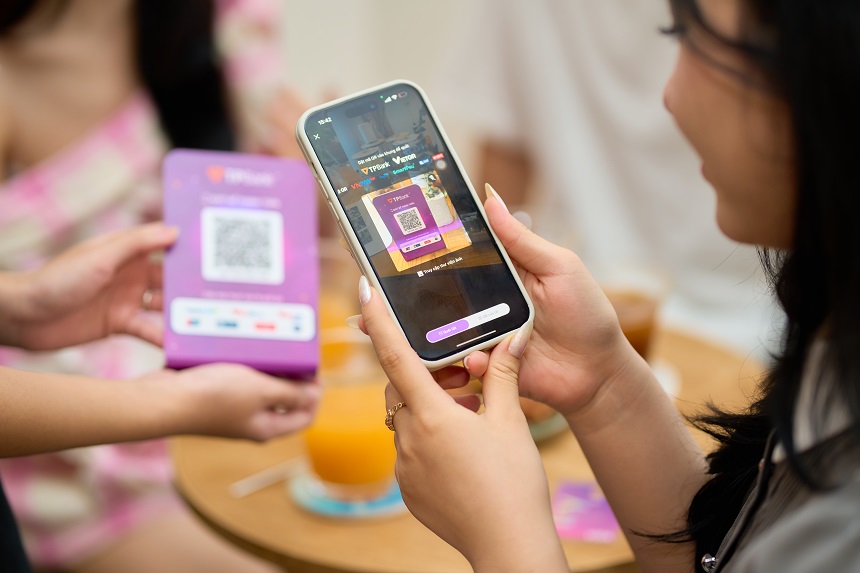
Following the article "Cashless Tourism Will Take the Throne" published by Nguoi Lao Dong newspaper, reflecting the trend of connecting bilateral payments via QR codes between Vietnam and Thailand, Cambodia, Laos, and China, many banks have stated they are promoting this payment method to tourists.
In an interview with a Nguoi Lao Dong newspaper reporter, Mr. Nguyen Hung, General Director of TPBank, said that in addition to promoting tourism, cross-border payments using QR codes benefit the economies of both countries by boosting bilateral trade, developing the digital economy, and reducing dependence on cash and physical foreign currency. Electronic transactions are more transparent, support money flow management, prevent money laundering, and strengthen regional payment infrastructure connectivity.
For users, this payment method offers convenience, security, and reasonable costs as it eliminates the need for cash or international cards. Specifically, the current QR code payment fee is significantly lower than the foreign exchange conversion fee when using a card. Transaction processing fees (including foreign exchange conversion fees) applied by banks such as TPBank, BIDV, and Vietcombank range from only 0% to 0.3%, much lower than the 0.99% to 3.5% (depending on the bank) charged when using a credit card. The exchange rate is based on the bank's direct transfer rate at the time of payment. Using the bank's own app eliminates the risk of losing or leaking card information.
"Tourists almost only pay the actual amount based on the exchange rate without incurring additional fees when using a card. This is the optimal solution for small expenses, food, and shopping at convenience stores or tourist areas in Thailand and Cambodia…" – said Mr. Nguyen Hung.
To increase foreign exchange revenue from international tourists, especially from Chinese tourists, Mr. Nguyen Hung proposed implementing a "one QR code" policy – mandating that payment acceptance points use the national standard QR code (VietQR) with international links.
Strict control and prohibition of the use of personal e-wallets (personal Alipay/WeChat Pay) would prevent money from flowing into the Vietnamese banking system.
"To encourage transactions, payment banks need to have more attractive fee policies for international transactions in the initial phase to encourage merchants to prioritize inviting customers to scan this QR code.
NAPAS could negotiate a reasonable fee-sharing arrangement between Vietnam and foreign partners, minimizing costs for payment banks," Mr. Hung said.
Lên đầu trang


 1900 58 58 85

 Visit our branch

 Email
Email